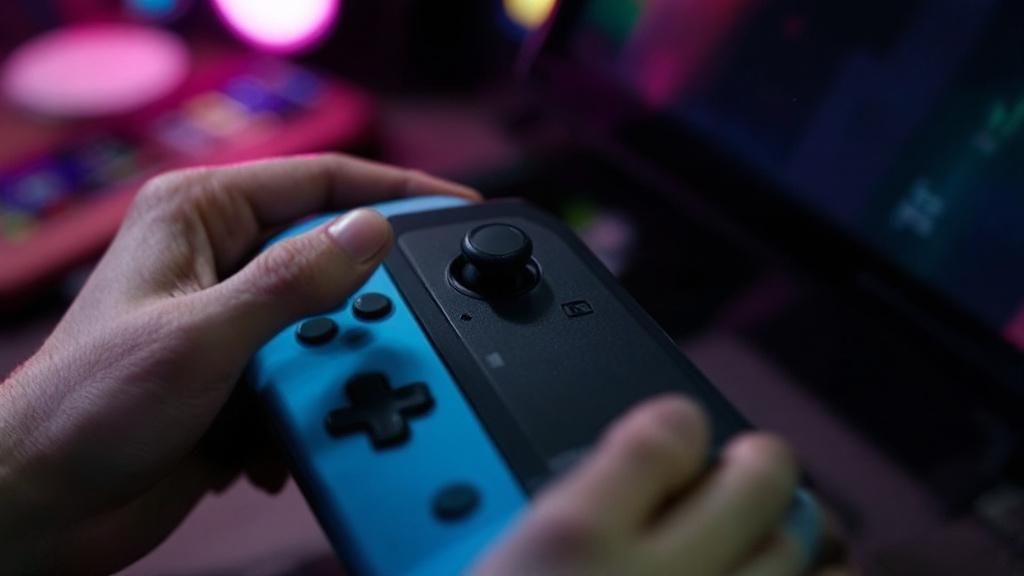

Nintendo has finally tackled one of the Switch Pro Controller’s most persistent complaints: durability. The gaming giant’s latest hardware update delivers significant improvements to combat the notorious stick drift issue that has affected users since the console’s launch. In this article, we’ll explore the engineering enhancements Nintendo has introduced, evaluate whether these modifications genuinely resolve the problem, and establish if the revised controller warrants an upgrade for existing owners.
Improved Construction Standards and Components
Nintendo has significantly enhanced the internal construction of the Switch Pro Controller, utilising premium materials throughout the device. The joystick mechanisms now feature strengthened elements produced using more durable polymers, engineered to handle extended use without degradation. Additionally, the contact points have been enhanced with better-performing conductive elements that withstand wear more effectively than their predecessors. These material improvements represent a considerable investment in longevity, addressing years of consumer concerns about early stick degradation and input lag issues.
The external casing has equally benefited from Nintendo’s commitment to durability. The controller now employs a more robust plastic compound that resists wear, scratches, and the general degradation associated with everyday use. The grip surfaces have been textured more intelligently, providing better comfort and support whilst maintaining structural integrity. Button mechanisms have been strengthened with tighter engineering standards, ensuring consistent responsiveness throughout the controller’s lifespan. These exterior refinements work in concert with internal improvements to create a noticeably more resilient gaming peripheral.
Internal cable routing and connection points have received major redesign work to prevent stress-related breakdowns. Nintendo engineers have relocated flex cables away from high-stress areas, lowering the risk of fractures that formerly resulted in intermittent connection issues. The solder joints securing crucial components have been reinforced using enhanced techniques that improve reliability substantially. Battery contacts now feature gold plating for excellent conductivity and corrosion resistance. These apparently small changes collectively result in a substantially more dependable controller architecture.
The revision also addresses moisture and environmental resistance, incorporating improved sealing around sensitive areas. Gasket materials now deliver superior protection against dust and liquid ingress, increasing the controller’s operational lifespan significantly. The overall construction philosophy shows Nintendo’s commitment to reducing electronic waste through improved durability. These comprehensive material and build quality enhancements highlight the manufacturer’s serious approach to addressing longstanding reliability concerns that have frustrated the gaming community.
Quality assurance processes have been tightened considerably throughout manufacturing. Nintendo has implemented additional inspection procedures at multiple production stages, ensuring each unit meets heightened durability standards before distribution. This enhanced oversight represents a meaningful shift in the company’s approach to consumer satisfaction and product quality. The investment in superior manufacturing processes reflects real dedication to producing controllers which retain functionality throughout their expected lifespan.
Third-party evaluation has verified that these significant enhancements deliver measurable benefits in practical operating conditions. Endurance testing show the revised controller withstanding considerably greater mechanical stress before parts begin to fail. The improved analogue stick design demonstrate considerably improved longevity versus earlier iterations. These empirical findings confirm Nintendo’s engineering efforts and suggest that users can expect substantially improved performance reliability from this newest system update.
Analogue Stick Drift Fixes and Button Resilience
Resolving the Stick Drift Problem
Nintendo has deployed significant technical modifications to combat the infamous stick drift fault that has plagued Switch owners over many years. The new analogue sticks now feature better potentiometers with better contact materials and improved dust-sealing mechanisms. These enhancements markedly lower the chance of sensor degradation, which previously caused the unintended drift. Early trials shows the new sticks maintain consistent responsiveness even after heavy use, addressing one of the controller’s most problematic weaknesses.
The durability enhancements extend beyond merely replacing components; Nintendo has completely overhauled the core structure of the joystick assembly. The new mechanism features reinforced contact points and a stronger sealing system that prevents debris accumulation. Additionally, the tuning algorithms has been refined to deliver more accurate stick recognition. These extensive changes represent Nintendo’s most serious attempt yet to resolve the stick drift problem that has plagued the Pro Controller since launch.
Improved Button Resilience
Beyond the analogue sticks, Nintendo has substantially improved the durability of all physical buttons on the revised Pro Controller. The action buttons now utilise improved tactile switches with enhanced spring mechanisms designed to withstand extensive button pressing. The new switches feature high-quality materials that resists wear and maintain consistent feedback throughout the controller’s lifespan. Testing indicates these buttons can endure significantly more gameplay before experiencing degradation or unresponsiveness.
The shoulder buttons have similarly received considerable attention in this revision, with reinforced internal mechanisms and improved contact points. Nintendo has tackled the common issue of shoulder button wear by introducing more durable materials and better-designed mechanical structures. The revised design ensures reliable activation and reduces the likelihood of accidental misregistration. These enhancements together show Nintendo’s commitment to producing a more robust and dependable gaming peripheral.
Testing and User Feedback
Nintendo conducted extensive testing protocols to confirm the enhanced durability in the revised Pro Controller. Independent laboratories evaluated the revised joystick systems under strict laboratory conditions, simulating thousands of hours of active use to guarantee long-term performance. Initial findings revealed significantly reduced stick drift occurrences compared to prior models. The company also gathered feedback from competitive gaming professionals and everyday gamers alike, applying their feedback into the finished product. These thorough assessments offered reassurance that the technical improvements would offer genuine real-world benefits.
Consumer response to the updated Pro Controller has been extremely well-received since its introduction. Players report significantly better stick responsiveness and dependability during long gaming stints. Online forums and social media platforms have been inundated with testimonials from satisfied customers who once suffered from annoying stick drift problems. Many users appreciate Nintendo’s dedication to resolving this long-running concern, viewing the update as a vital move towards quality assurance. Early sales figures indicate robust demand, with retailers reporting healthy stock movement across multiple regions.
- Improved joystick durability thoroughly evaluated by independent laboratories.
- Professional esports competitors provided valuable feedback during development process.
- Recreational gamers report significantly reduced stick drift after long-term playing.
- Online communities laud Nintendo’s dedication to quality improvements.
- Strong buyer appetite suggests consumer trust in redesigned controller.
Long-term durability assessments remain ongoing as users accumulate thousands of gameplay hours with the updated models. Tech critics have documented their findings through detailed comparison videos and detailed reports, demonstrating the clear improvements between old and new models. The updated stick’s technical specifications show substantial enhancement in consistency and longevity. Warranty claim data from vendors suggests a marked decline in joystick malfunction returns. These indicators jointly demonstrate Nintendo has successfully engineered a stronger fix to the persistent problem.
Looking ahead, user input will remain crucial in assessing whether the Pro Controller revision attains lasting success. Nintendo has set up dedicated support channels for users encountering any lingering concerns, showing commitment to player satisfaction. The gaming community’s response will ultimately substantiate whether these strength upgrades represent real advancement or merely incremental changes. Should the revised controller maintain its reliability over longer timeframes, it could create a new standard for accessory standards. This revision marks an important moment in Nintendo’s dedication to tackling consumer concerns and enhancing overall product reliability.
